Gili Air is a year-round dive destination: the water sits at about 28°C every month, so there is never a season you cannot dive. What changes is the surface weather, the visibility and which big animals are most likely. Here is the honest month-by-month.
Dry season (April–October) — calm and clear
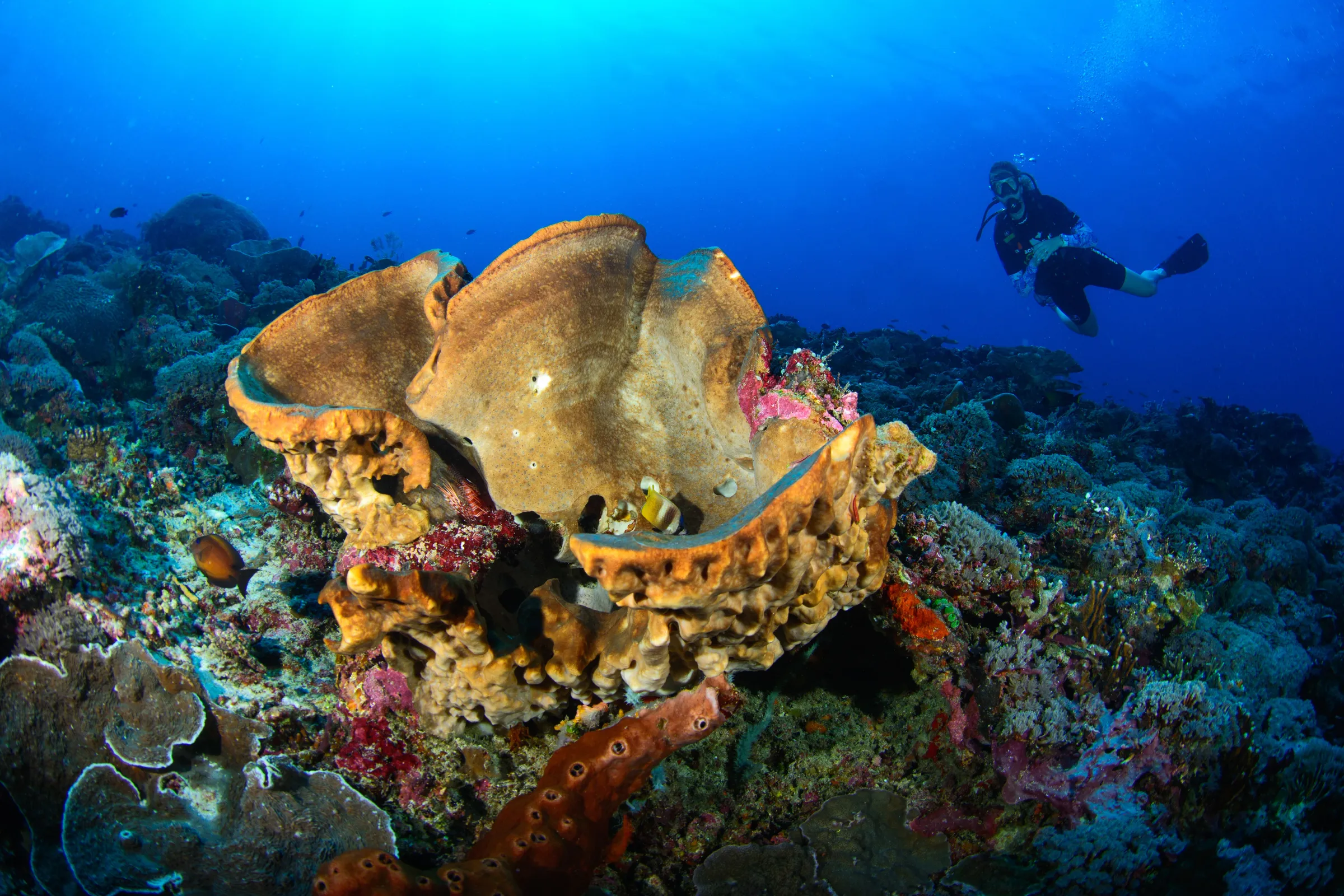
This is the easy, postcard version of Gili Air: calm seas, the best visibility (often 20–30 m) and reliable sunshine. It is the ideal window for courses and first-timers, and the busiest stretch — July and August especially, so book courses a few days ahead. Turtles, reef sharks and macro are all out.
Wet season (November–March) — green, and the big-animal window
Expect greener water and the odd afternoon downpour (rarely a lost dive day). The upside is real: this is the best window for manta rays and mola mola (oceanic sunfish), and the occasional whale shark passing the offshore pinnacles — see our whale shark at Takat Piniu story. Fewer crowds, still 28°C.
All year round
Whatever the month, the constants hold: green turtles on almost every dive, reef sharks at Shark Point, and a world-class macro scene at Hans Reef — frogfish, seahorses and critters don’t follow a calendar.
The sweet spots
For the best mix of good weather and fewer crowds, aim for May–June or September–October — dry-season conditions without peak-season numbers.
Planning around a specific month? Read our detailed best time to dive Gili Air guide, browse the best dive sites, or message us — we dive every day, year-round, in groups of max 4 per guide.