Dry season (April–October) — calm seas, easy training
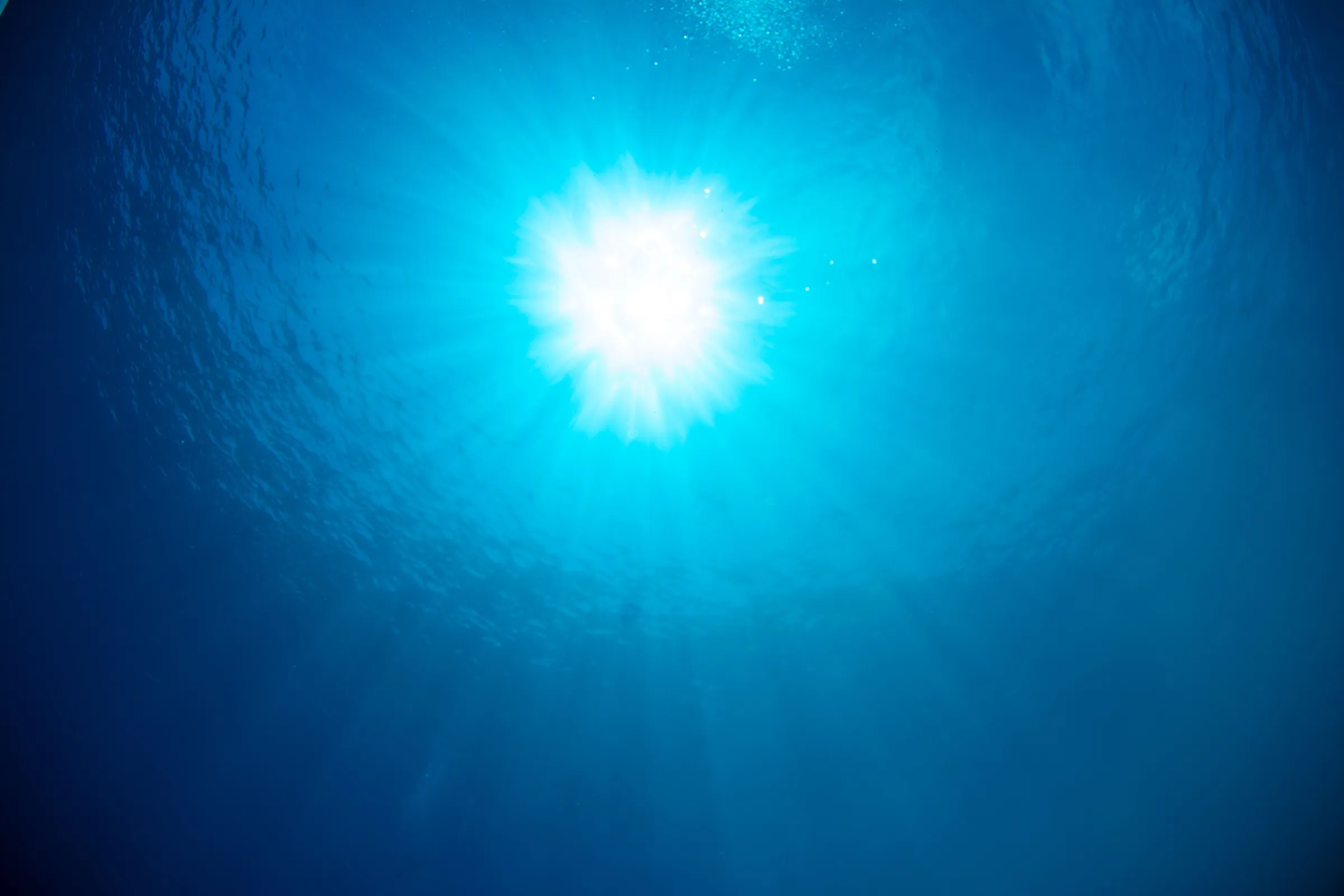
The dry months are when the Lombok Strait sits glass-flat in the morning. Boat rides are smooth, surface chop almost vanishes, and the Open Water training dives in 12–18 m are at their easiest. Visibility ranges 20–30 m and peaks in the middle of the dry season — slightly less plankton in the water means more light gets through. July–August is peak season (book accommodation early); September–October is the sweet spot of calm conditions plus fewer travellers.
Rainy season (November–March) — manta season, lower visibility
Counterintuitively, rainy season is when the *big stuff* shows up. Plankton-rich monsoon water draws reef manta rays to Manta Point off Gili Trawangan (peak November–April per the Indonesia diving calendar). That same plankton drops visibility to 15–20 m — still very divable, just less of a "see the whole reef at once" feeling. Rain falls in short intense bursts, usually overnight or in late afternoon, so boat schedules are rarely affected.
What you see, every month
Turtles year-round — green and hawksbill, often hovering at cleaning stations 8–12 m down. Reef sharks at Shark Point and Deep Turbo, typically December–April. Manta rays at Manta Point November–April. Mola mola is a Nusa Penida fixture, not Gili — but if you have an extra day, the day trip is doable. Macro life (frogfish, ghost pipefish, nudibranchs) sits at Mirko's Reef and Hans Reef most months, with the best macro density in shoulder-season May and October.