
Tauchplatz
Takat Penyu
- Tiefe
- 15-28m
- Niveau
- intermediate
- Boot ab Gili Air
- 5–15 min
“Penyu” bedeutet Schildkröte auf Indonesisch — und der Name wurde aus gutem Grund gewählt. Takat Penyu ist ein breites offshore gelegenes Riff-Plateau nördlich von Gili Air, das sich über rund 1,5 Kilometer von Ost nach West und etwa 1 Kilometer in der Breite erstreckt. Die flachsten Abschnitte liegen bei 15 Metern; die Seiten fallen sanft bis ca. 28 Meter ab, bevor sie ins tiefere Wasser stürzen. Sowohl grüne als auch Echte Karettschildkröten nutzen den Spot als ständiges Futtergebiet, und mehrere Begegnungen pro Tauchgang sind ganzjährig zuverlässig zu erwarten.
Die Plateau-Struktur ist unter den Gili-Tauchplätzen ungewöhnlich. Statt einer dramatischen Wand oder eines Pinnacles ist Takat Penyu ein Riff mit flacher Oberseite und sanft abfallenden Seiten — ein weitläufiges Gelände, das eine offene, leicht navigierbare Umgebung schafft. Die Oberseite des Plateaus lebt mit Hartkorallen: Tischkorallen breiten sich über die Struktur aus, Geweihkorallen-Kolonien füllen die flacheren Abschnitte, und große Fassschwämme ragen in Abständen auf. An den Seiten heben sich Gorgonien-Seefächer vom Hang ab und Seepeitschen wiegen sich in der vorbeiziehenden Strömung und beherbergen Pygmy-Seepferdchen für die, die genau hinsehen.
Anemonen sind über die flacheren Plateau-Teile verstreut, jede mit ansässigen Clownfischen. Nacktschnecken und Skorpionsfische besetzen die Geröllbereiche. Oktopusse werden regelmäßig beim Jagen über die sandigen Ränder gesichtet, und Fangschreckenkrebse lassen sich an den Höhleneingängen beobachten. Schwärme von Füsilieren und Süßlippen ziehen in lockerer Formation über die Plateau-Oberseite, und Schnapper sammeln sich um die größeren Korallenstöcke.
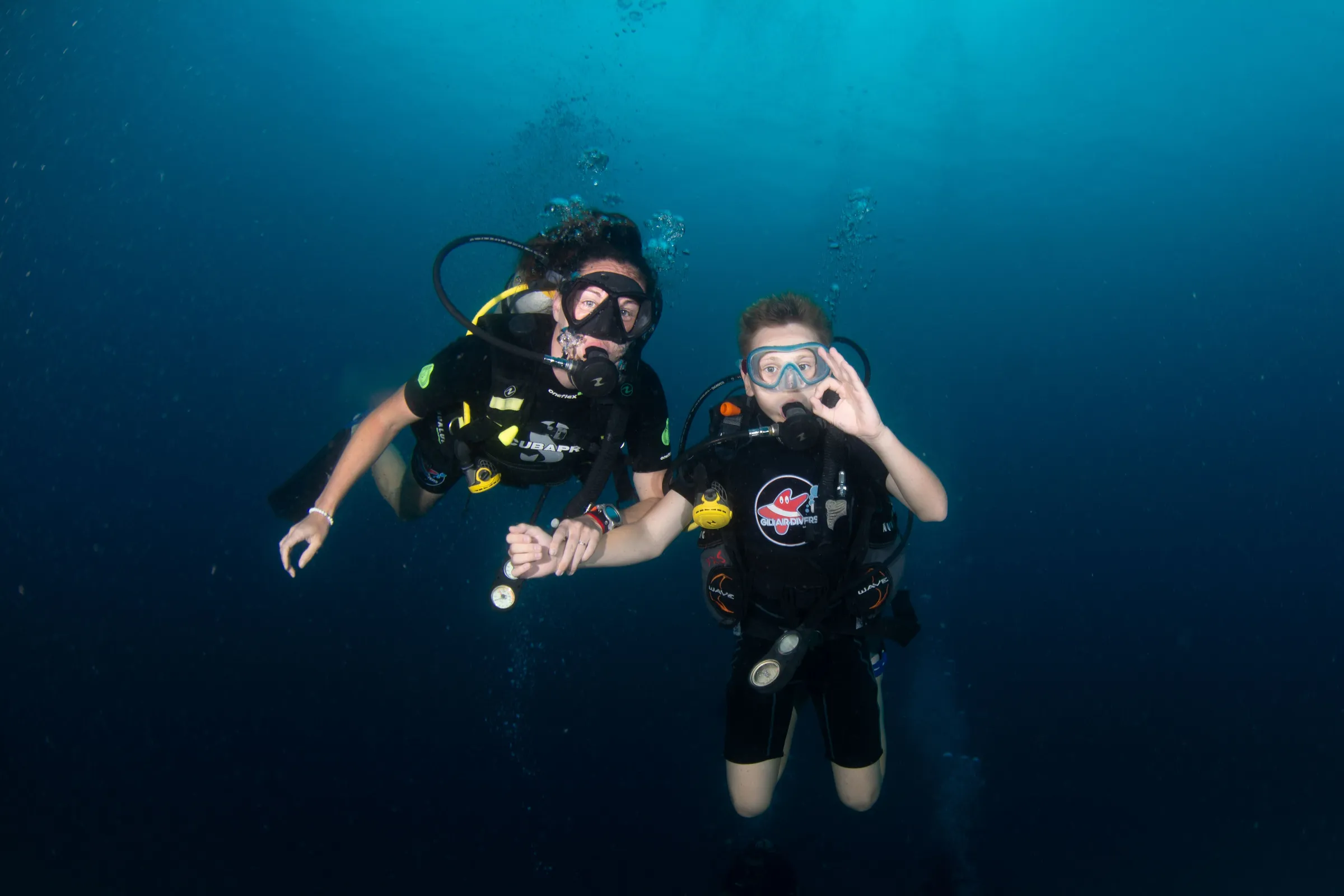
Die Strömung am Takat Penyu ist moderat und meist berechenbar, was den Spot zu einer ausgezeichneten Wahl für Intermediate-Taucher und höher macht. Er wird auch für Open-Water-Kurstauchgänge genutzt, wenn die Bedingungen es zulassen — das ebene Gelände und das konstante Tierleben machen ihn zu einer zuverlässigen Wahl für Schüler und Divemaster. Sicht typischerweise 15-25 Meter.
Tauchertipps: Das Plateau ist groß genug, um einen ganzen Tauchgang in relativ flacher Tiefe (15-18 m) zu verbringen, ohne alles zu sehen. Konzentriere dich auf einen Bereich und erkunde ihn gründlich, statt über die Oberfläche zu hetzen. Bring ein Makro-Objektiv mit, auch wenn der Spot mit Großtieren assoziiert wird — die Gorgonien-Fächer an den Hängen beherbergen regelmäßig Pygmy-Seepferdchen. Die sandigen Ränder des Plateaus sind erstklassiges Gebiet für Oktopus-Begegnungen, besonders am späten Nachmittag, wenn sie aktiv zu jagen beginnen.
Hier gesehene Meereslebewesen
- Grüne Meeresschildkröten
- Echte Karettschildkröten
- Füsilier-Schwärme
- Süßlippen
- Oktopus
- Clownfische in Anemonen
- Nacktschnecken
- Skorpionsfische
- Pygmy-Seepferdchen
- Schnapper
- Fangschreckenkrebse